|
|
528 Chama, N.E., Albuquerque, NM 87108 http://www.cbass.com |


From The Desk Of Clarence Bass
By Clarence and Carol Bass
|
|
Coping with Dry Eyes
The importance of "prevention" rather than "having to cure" is particularly relevant as we age. Awareness of possible problems increases the likelihood of catching them before they progress to the level of something more serious. That's where I'd put this article on "dry eyes."
I put drops in my eyes during the night, and was pleased to find an article on dry eyes in Harvard Health Letter.
I assumed that dry eyes are simply a result of aging. My eyes don't bother me during the day and a few drops in my eyes at night recommended by my doctor does the trick. My eyes are pretty good during the day. I have glasses for reading small print, but don't wear glasses otherwise.
Turns out that there is a little more to it than I thought. Age is a factor, but there are also degrees of severity.
Dry eyes affects more than 16 million Americans - two-thirds of them are women. Most people don't realize they can get relief from irritated or dry eyes, or that they could lead to loss of vision.
Dr. Thomas Dohlman from the Massachusetts Eye and Ear teaching hospital says:
Tears are essential to eye health, and keep the eyes moist, comfortable, and protected from irritants and bacteria.
Doctors break dry eyes into two types: If the eyes don't produce enough tears, they call it aqueous-deficient dry eye; in evaporative dry eye there are enough tears but they're unstable and evaporate too quickly - caused by a gland in the eyelid.
It's possible to have both types.
With either version, your eyes may feel gritty, sandy, stinging, burning, scratchy, tired, sensitive to light, or a combination of them.
A different symptom is often dismissed: Watery eyes would seem to be the opposite problem, but can occur as a response to irritation.
Someone with dry eyes may also experience blurry vision because the tear film is unhealthy.
What Can Be Done
Harvard Health Letter lays out several options. First, review your own health. If you wear contact lenses or have had eye surgery you may be more susceptible to dry eyes. Older women may have hormonal changes after menopause which can reduce tear production, or women (who are more prone to autoimmune conditions) such as lupus might find they cause dry eyes. Medications such as blood pressure drugs or antidepressants can increase the likelihood of dry eye.
Lastly, maybe you just need a break from screen use. Try to blink more often.
For other people with mild or occasional symptoms, artificial tear drops are the first option - get the ones labeled "artificial tears" only. If you find you are using them more than six times a day, then try the preservative-free version.
If you have tears but they evaporate too quickly, this condition called clogged meibomian glands can be helped with warm compresses to enable thickened oil in the glands to flow more freely and keep tears from evaporating as quickly.
If you are using these methods and not getting relief, it's time to see your eye doctor who may take the next step of prescribing anti-inflammatory eye drops, or inserting eye inserts that work to keep tears from draining out. There are more methods for extreme cases.
Harvard Health with one final thought: Just like the rest of your body, your eyes naturally change over time. Routine eye exams are important for keeping your vision clear and your eyes healthy as you age.
In the past I've tried warm compresses from time to time and will do it again if things get worse, and I keep in mind that dry, windy and high-altitude environments such as New Mexico may contribute to the condition.
Take charge of your own health as much as you can.
See your doctor if you can't.
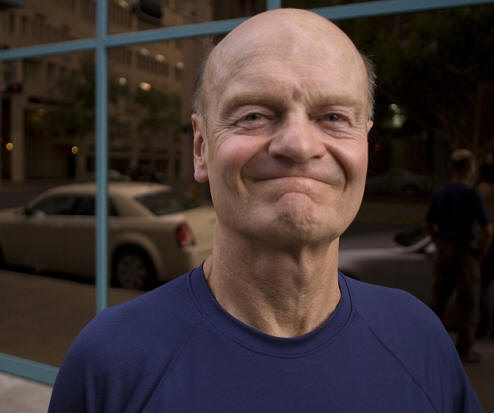
Photo by Laszlo
April 1, 2026
Comment on this article: FEEDBACK Ripped Enterprises, P.O. Box 51236, Albuquerque, New Mexico 87181-1236 Home | Products Index | Ripped Bks | Lean Adv. Bks | Lean For Life | Recommended Bks | |Consultations | Tapes | To Order | Feedback] Copyright © 2026 Clarence and Carol Bass. All rights reserved.
|